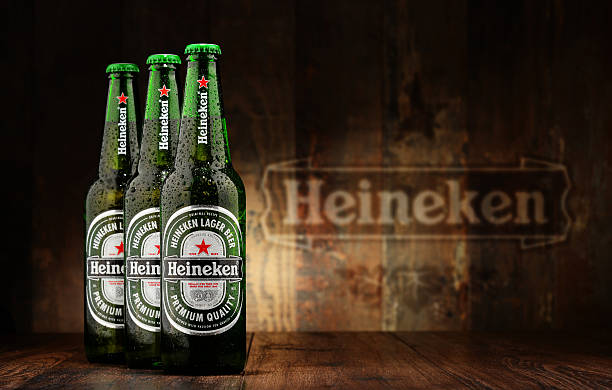
Heineken’s decision to cut thousands of jobs has sparked conversations across the business world. The company plans to remove between 5,000 and 6,000 roles over the next two years, a move that reflects more than just short term cost pressure. It highlights how global brands are adapting to changing consumer habits, slower demand, and a new economic reality where efficiency often comes before expansion.
A Major Round of Layoffs Despite Strong Profits
One of the most surprising parts of this announcement is that the layoffs are not happening during a financial collapse. Heineken still reported growth in operating profit, yet beer sales volumes declined and overall revenue dropped. This contrast shows how modern corporate strategy works. Companies are not waiting for a crisis before restructuring. Instead, many are reducing headcount early to stay competitive in uncertain markets.
The layoffs are expected to deliver significant savings, allowing the company to invest in future growth areas while protecting margins. For employees and job seekers, this sends a clear message that profitability does not always guarantee job stability.
Why Demand for Beer Is Changing
The brewing industry is facing a shift that goes beyond one company. Consumer behaviour is evolving quickly, especially among younger audiences. Many people are drinking less alcohol or choosing premium and low alcohol options instead of traditional beer. Rising living costs are also affecting how often consumers spend on non essential products.
These changes create pressure on large brewers to rethink their product strategies. When sales volumes soften, businesses often respond by streamlining operations, which can lead to layoffs even when profits remain steady.
Layoffs as Part of a Larger Business Strategy
Workforce reductions are increasingly tied to transformation rather than survival. Companies are investing more in automation, digital tools, and data driven decision making. As processes become more efficient, fewer roles are needed in certain areas.
Heineken’s restructuring reflects a wider trend seen across industries, where organisations focus on doing more with smaller teams. This does not always signal decline. In many cases, it is a shift toward a leaner operating model designed to handle unpredictable markets.
However, layoffs come with risks. Losing experienced employees can impact company culture, execution speed, and long term innovation if not managed carefully.
What the Layoffs Say About the Future of the Beer Industry
The beer industry is not disappearing, but it is evolving. Growth is becoming more dependent on premium products, new beverage categories, and emerging markets rather than traditional mass volume sales. Brewers are exploring alcohol free options, new flavours, and digital marketing strategies to stay relevant.
This transformation means the industry may require different skills in the future. Roles connected to innovation, analytics, and brand positioning could become more valuable, while traditional operational roles may face greater pressure.
Lessons for Professionals Watching the Layoff Trend
The Heineken layoffs reflect a broader reality of the modern job market. Companies are restructuring faster than before, often driven by technology and changing customer expectations.
For workers, the key takeaway is adaptability. Building skills that align with digital transformation, strategic thinking, and evolving consumer trends can help professionals stay resilient even when industries shift.
Layoffs are never easy, but they often signal where businesses believe the future is heading. Understanding those signals can help individuals make smarter career decisions.
Final Thoughts
Heineken’s decision to cut thousands of roles is not just a headline about layoffs. It represents a deeper transformation happening across global business. Even well known brands with strong profits are rethinking how they operate in a world where demand patterns are changing and efficiency is becoming a priority.
As industries continue to evolve, the conversation is no longer only about whether companies are growing or shrinking. It is about how they are reshaping their workforce to match a new era of business.